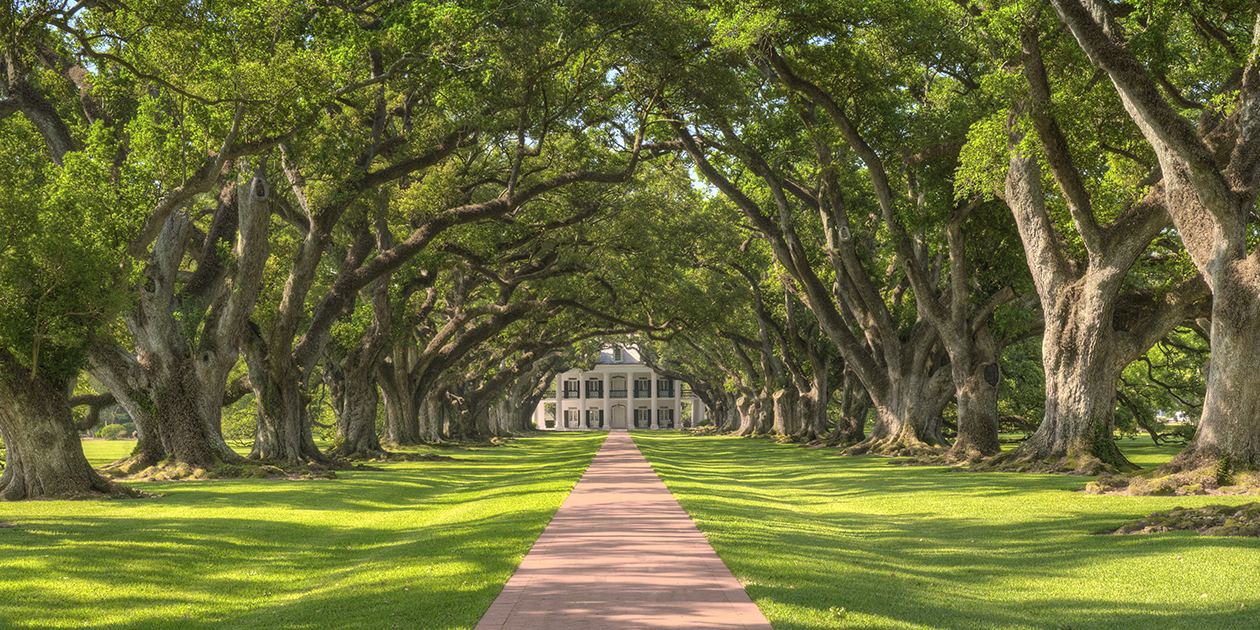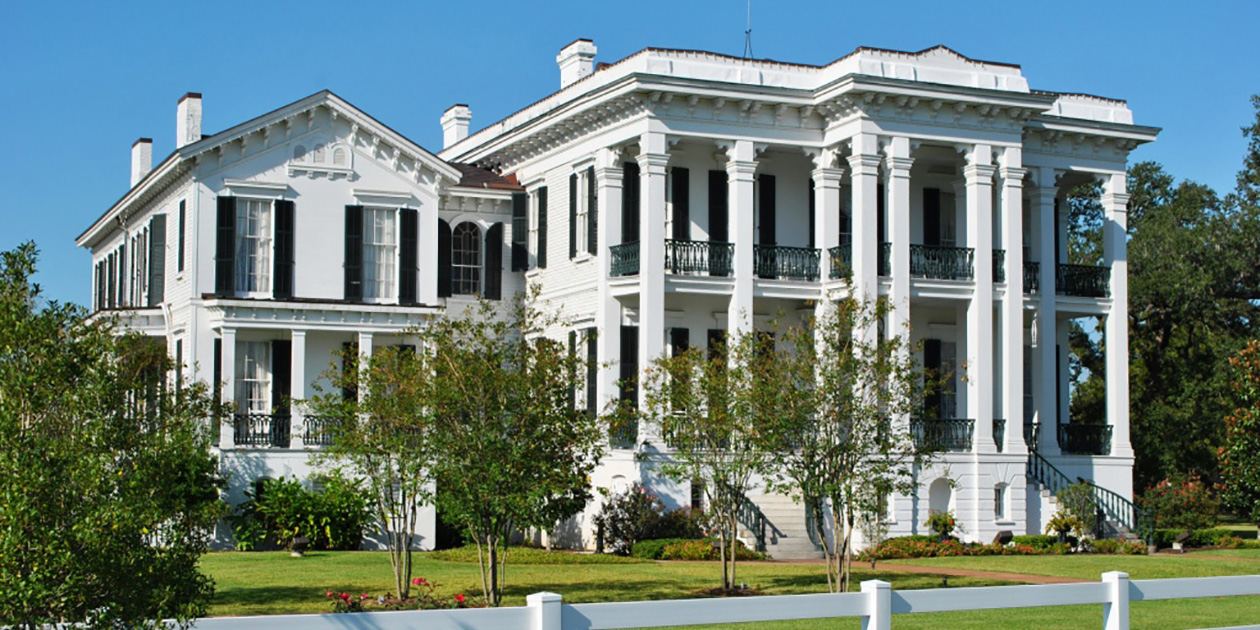
Natchez sits high on a bluff above the river. In the 1850s it was home to more millionaires per capita than almost anywhere in America, thanks to cotton and the forced labor of enslaved people, and many of their mansions survive.
Before America
Long before the mansions, this was the homeland of the Natchez people, whose ceremonial mound center can still be visited at the Grand Village of the Natchez Indians. The French built Fort Rosalie here in 1716; the British and Spanish followed before the town became American in 1798. In the early 1800s Natchez was the starting point of the Natchez Trace, the old road that flatboatmen walked home to Tennessee.
Top things to see
- Stanton Hall: a palatial 1850s Greek Revival mansion filling an entire city block.
- Longwood: the largest octagonal house in America, left unfinished when the Civil War began.
- Melrose, part of Natchez National Historical Park.
- The William Johnson House: home of a free Black barber whose diary is one of the great records of antebellum life.
- Natchez Under-the-Hill: the old riverfront landing, once a notorious haunt of gamblers and rivermen.
- The Forks of the Road: site of one of the largest slave markets in the Deep South, now a place of remembrance.
The Spring Pilgrimage
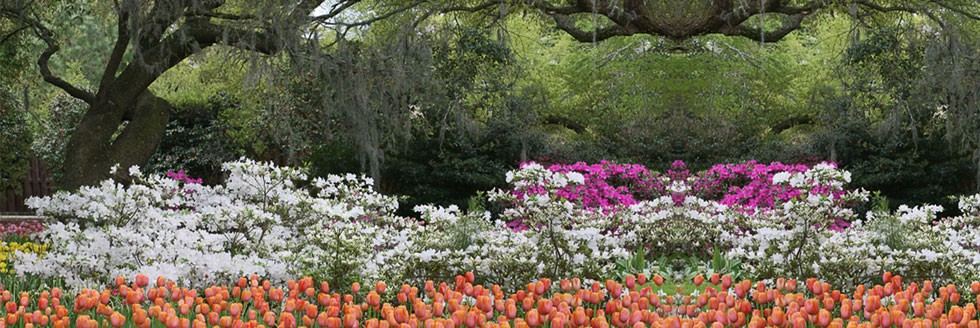
Since 1932, Natchez has opened its historic homes to visitors each spring in the Pilgrimage, now one of the oldest heritage tourism events in the country. Spring voyages on the Lower Mississippi are often timed around it.