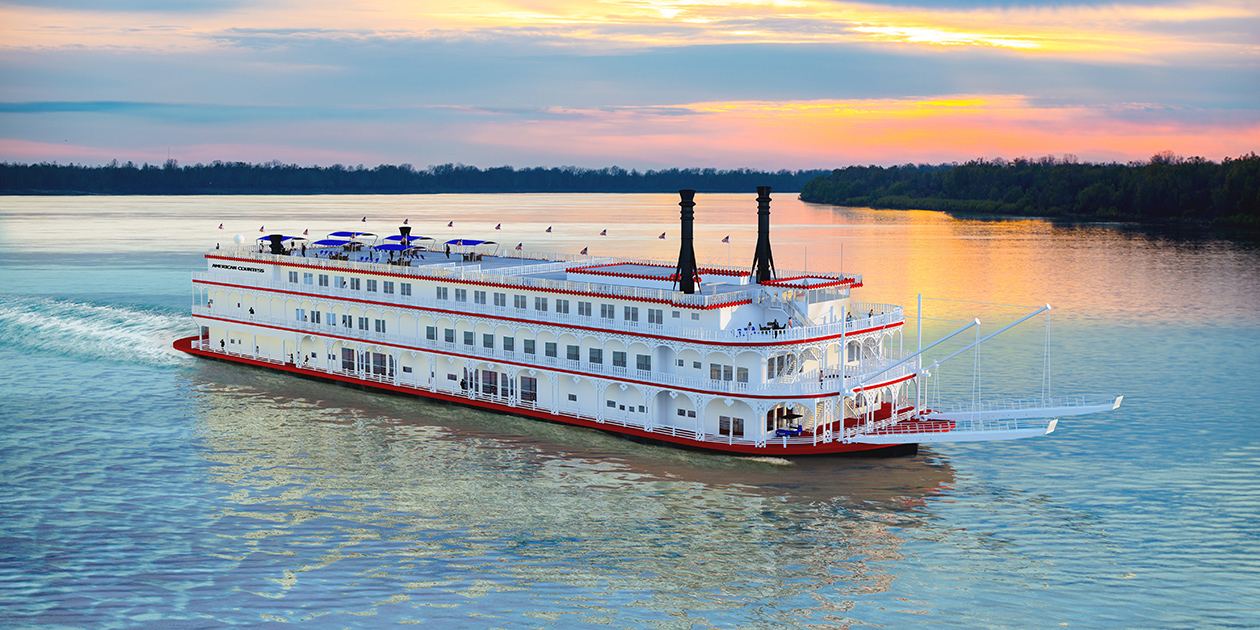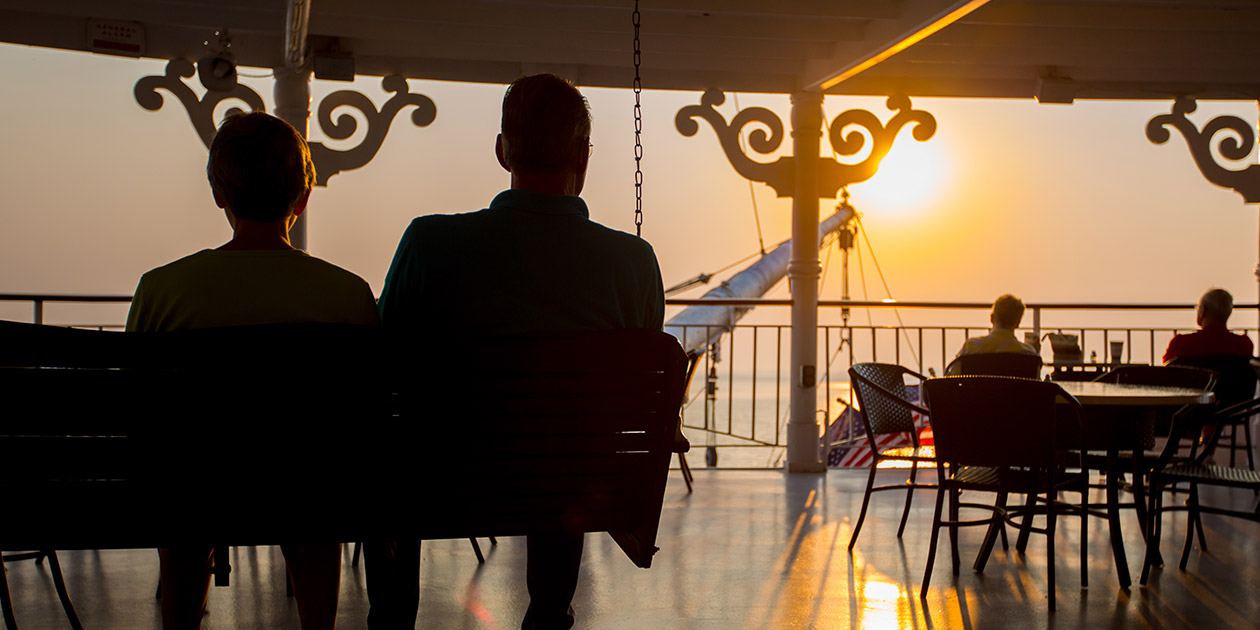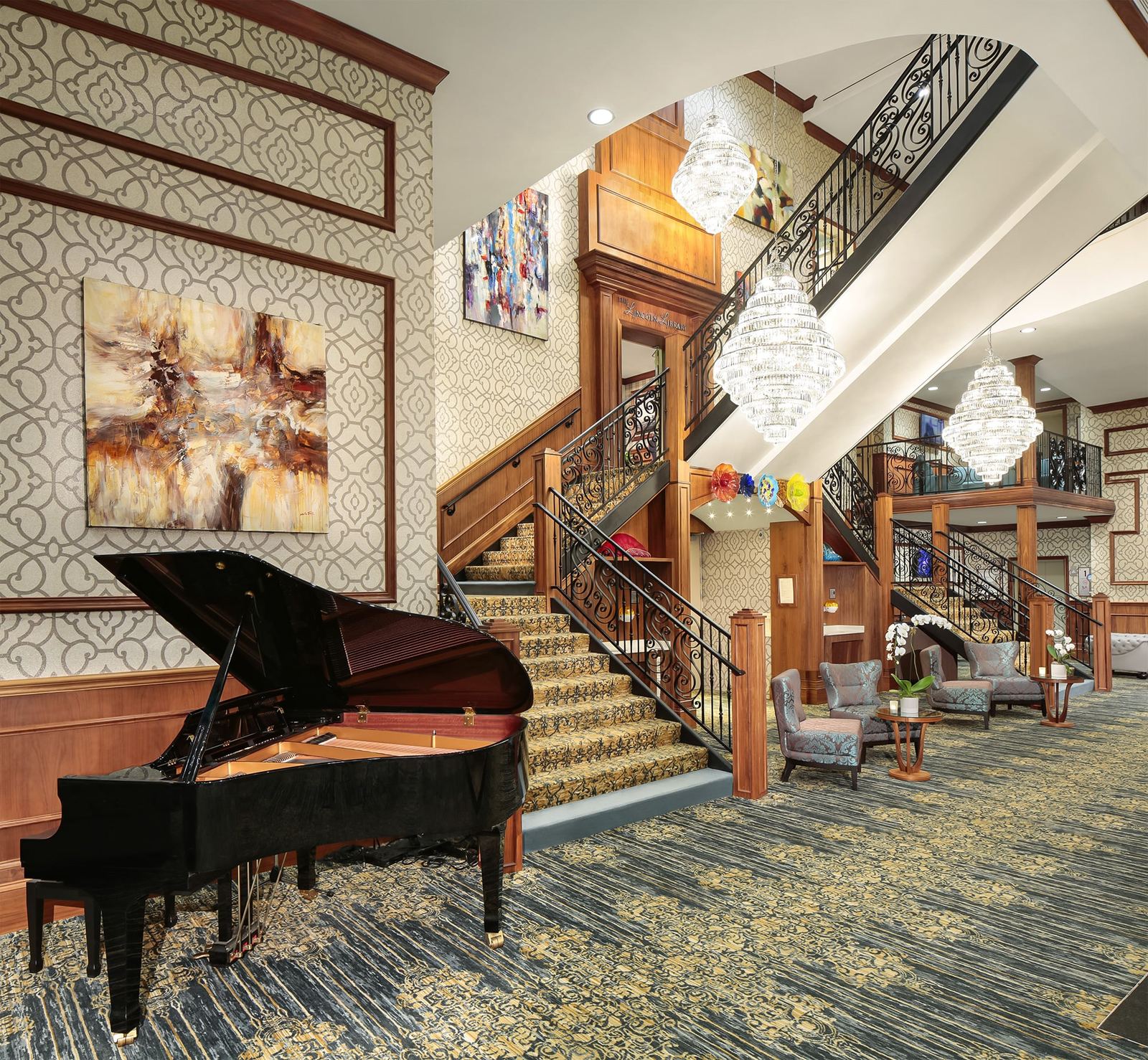
You unpack once, the scenery comes to you and many sights can be seen from the deck, so a river cruise can be a good fit for travelers who use a wheelchair or walk with difficulty. The challenges are mostly at the edges: getting on and off the boat, and getting around ashore.
On board
- Elevators: confirm which decks they serve. Older steamboats may not reach every deck.
- Accessible staterooms: ask for exact door widths, turning space, roll-in shower or tub, grab bars and bed height. Accessible cabins are few and book early.
- Thresholds: doors to outside decks and verandas often have raised sills to keep water out.
- Dining and shows: ask whether seating can be arranged for a wheelchair.
Getting on and off
River boats land at docks, floating barges and sometimes directly against a sloping riverbank. The gangway angle depends on the water level, and can be steep when the river is very high or low. Crew members usually help, but ask how the operator handles landings where the gangway is too steep for a wheelchair.
Ashore
- Ask which tour coaches have lifts or ramps, and whether accessible vehicles must be booked in advance.
- Historic houses often have stairs and narrow doorways; museums and battlefields with driving tours are usually easier.
- Many river towns sit on steep bluffs. Ask whether a shuttle runs from the landing to downtown.
Questions to ask before you book
- Which staterooms are fully accessible, and what exactly do they include?
- Do elevators serve every public deck?
- How are gangways handled at each port on this itinerary?
- Are accessible tour vehicles available, and do they cost extra?
- Can I bring or rent a mobility scooter, and where can it be charged?
- Is there medical staff on board?